Cases / Billetto
Billetto
Lifecycle, CRM and B2C marketing across 14 markets
Billetto operated across 14 markets, with more than 20,000 events and CRM communication reaching over one million recipients.
As Head of B2C Marketing, my responsibilities spanned lifecycle, customer experience, CRM, performance, marketing operations, marketing budget and KPIs. The role combined strategic and functional ownership with hands-on execution and close collaboration with Product, Finance, BI, Development, B2B and external agencies.
A central objective was making a large, complex marketing setup more relevant for customers while making it easier to prioritise, operate, document and optimise.
The CTR and revenue results relate to the overall email programme and cannot be attributed to any single change or automation.


Six disciplines within one case
Complex lifecycle architecture, RFM, segmentation, marketing automation and personalisation at international scale.
02Data & decisioningCustomer, event and business data translated into marketing decisions with Finance, BI, Product and Development.
03Marketing operationsContact policy, documentation, governance and systems that make complex setups understandable and maintainable.
04Paid & campaignsJoined-up campaign development across acquisition, landing pages, CRM and creative.
05Strategy & leadershipFunctional ownership of B2C marketing, budget and KPIs, coordinating teams, specialists and agencies.
06Creative & AICreative direction, hands-on production and practical use of generative AI in a scalable content workflow.
01CRM & lifecycle392 lifecycle instances. One system to understand them.
Billetto had 28 different flow types that had to work across 14 markets. That created 392 local lifecycle instances with different triggers, segments, emails and market-specific variations.
The challenge was not simply building automations. The setup also had to be understood, maintained and developed across markets and stakeholders.
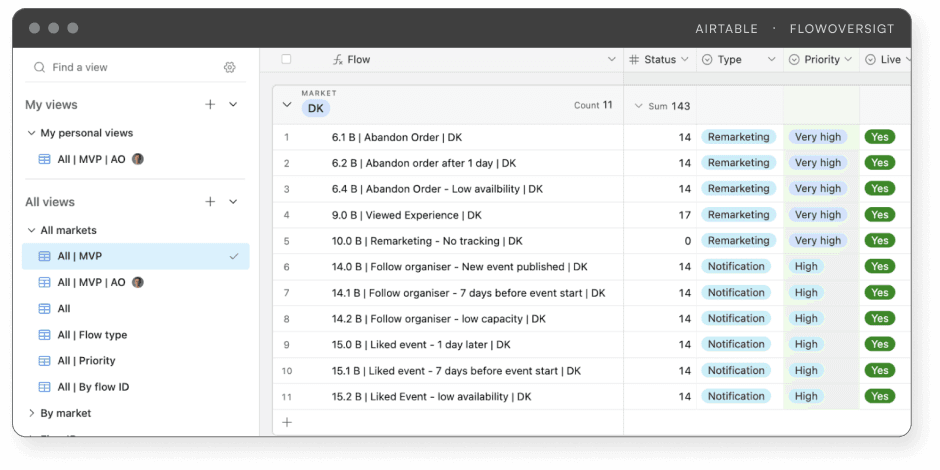
Decision and my roleI mapped the entire marketing automation setup in Airtable and established a single structure for flows and emails. At the same time, more than 150 automations were rebuilt across the lifecycle setup.
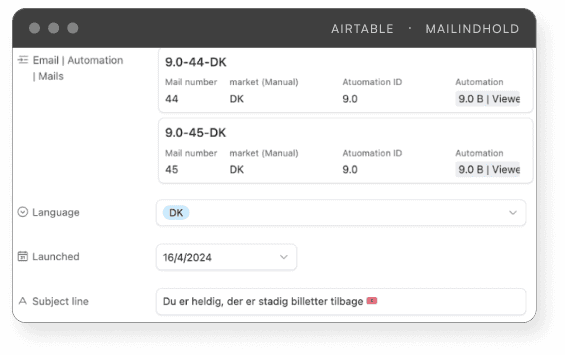
ExecutionThe flow overview documented market, purpose, status, triggers, segments, a direct link to each flow and change history. A separate email overview showed every email in the flow, its place in the sequence, its content and direct editing links.
This made it possible to understand the structure without opening every flow in Klaviyo, and made the setup easier to maintain, document and hand over.
Segmentation and lifecycle logic
- RFM: the basis for segmentation, customer value and prioritisation.
- Behavioural segmentation: purchase history, events visited, engagement and location.
- Recommendation logic: Clerk combined with customer and event data for more relevant event content on the web and in emails.
- Contact policy: contact frequency, Smart Sending, suppression, sunset and prioritisation between flows.
Testing and optimisation
Ongoing A/B tests of subject lines, copy, design, flow structure and campaign variants.
02Data & decisioningThe challenge was not finding something to send. It was choosing the right thing.
With more than 20,000 events, there was always something Billetto could communicate. The interesting question was: Which events deserve a place in each customer’s inbox?
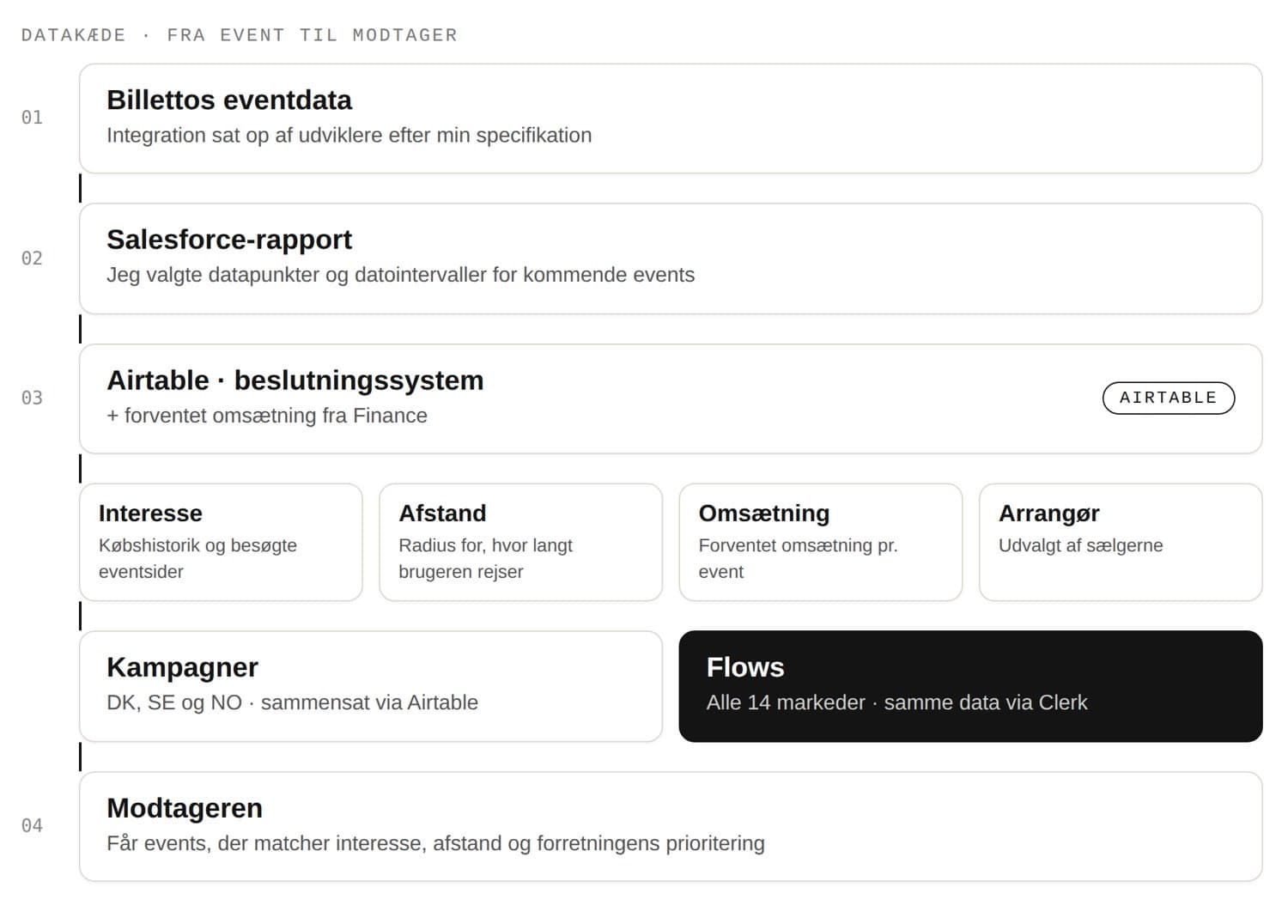
DecisionI worked on making customer, event and business data operational in that decision. An Airtable-based decision system brought together the key signals for campaign prioritisation.
My role / ownershipI scoped the marketing requirements for an integration that Development implemented, and configured a Salesforce report with the relevant event data and time intervals. Finance owned the forecast; I made the signal operational in the marketing decision.
Execution: four prioritisation signalsManual campaigns could then be prioritised by both customer relevance and business value.
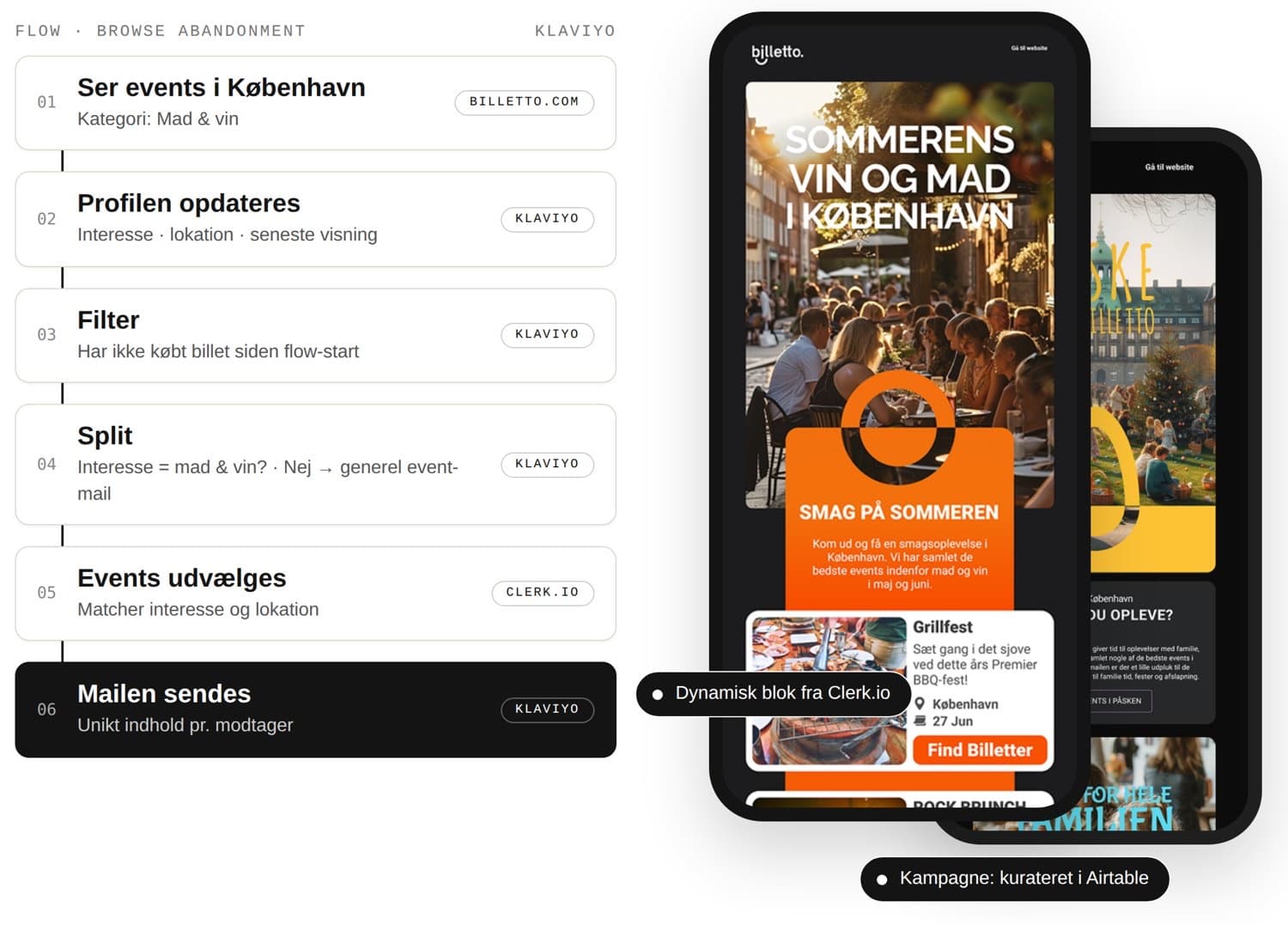
If a user had viewed food and wine events in Copenhagen, the profile and recent behaviour could be used as input for choosing relevant event content through Clerk and Klaviyo.
The goal was not personalisation for its own sake. The goal was to increase the likelihood that each recipient actually found the communication relevant.
03Marketing operationsContact policy and governance: more contact was not always better.
When many automated flows and manual campaigns run at the same time, a customer can qualify for several messages at once.
Decision- Which communication had the highest priority
- When a message should wait
- When the customer should be suppressed
- How transactional and marketing communication should be treated differently
- How high the overall contact pressure could be
Billetto worked from a general limit of one marketing email per user per day. I operationalised this through Klaviyo Smart Sending, among other things, and refined the existing priority hierarchy based on performance and engagement data. An abandoned-cart flow, for example, could take priority over more general remarketing, while transactional communication followed different rules.
I also worked with suppression, sunset and sender health, where the goal was to protect the quality of sends without suppressing potentially valuable recipients too early.
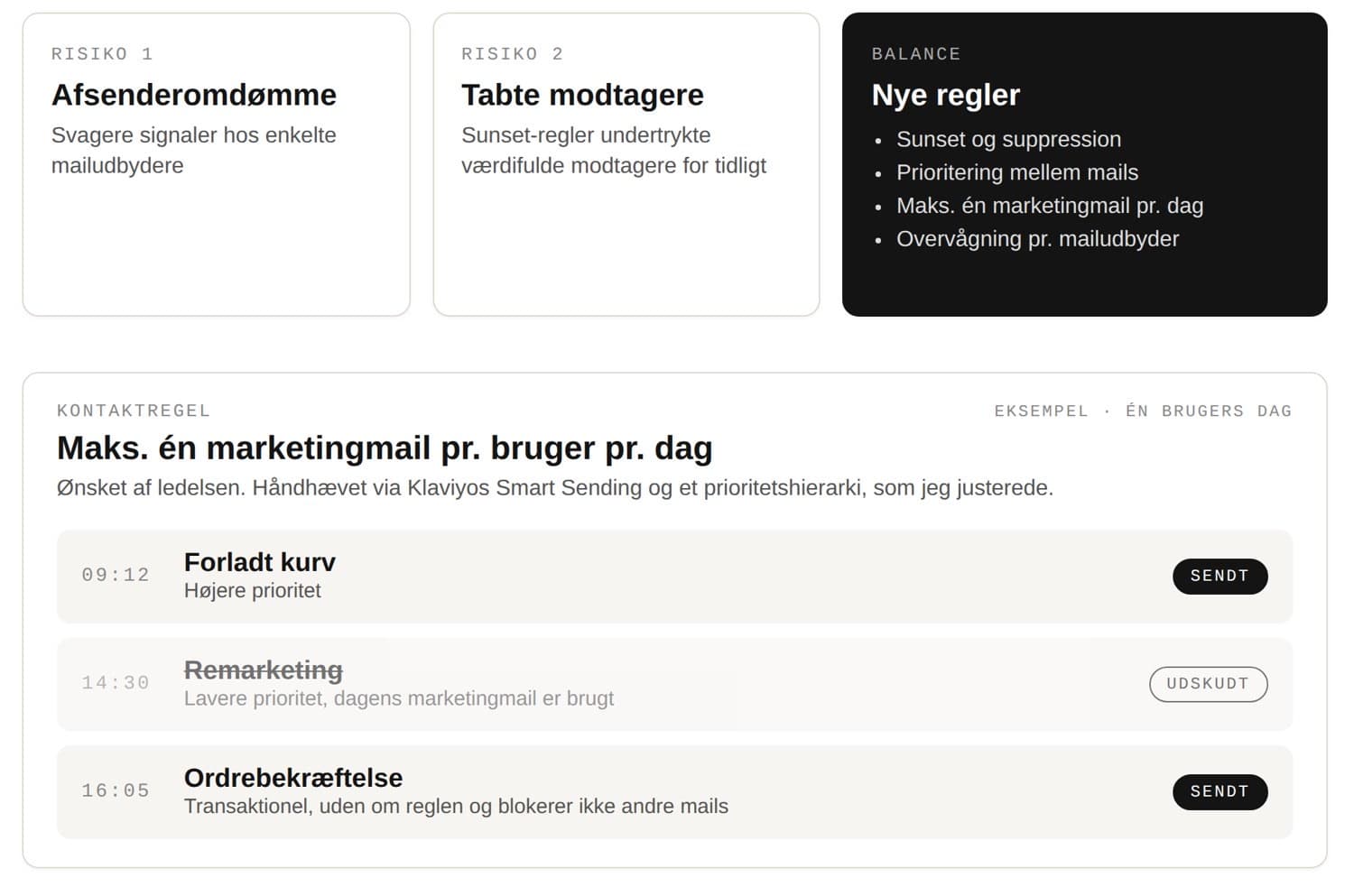
Governance was not a separate compliance layer on top of CRM. It was part of the lifecycle architecture itself.
04Paid & campaignsCampaigns had to hold together from the first impression to the ticket purchase.
My responsibilities at Billetto also covered performance marketing and campaign development. Here I worked on creating a clear connection between the campaign idea, paid media, landing pages, CRM and the event experience itself.
Execution: Copenhagen Rosé Festival 2024We developed a unified campaign look across:
- Paid social
- Landing page
- CRM
- Event communication
- Creative formats
Customers should meet the same recognisable campaign from the first ad to the event page and the follow-up communication. It was about creating a campaign system that could work across touchpoints.
Execution: POOLENFor the launch of the new venue, the campaign was built across paid social, email campaigns, web banners, campaign creative and event communication. The same creative concept was adapted to the different formats so the campaign came across as one unified launch.
Campaign examples are shown below.
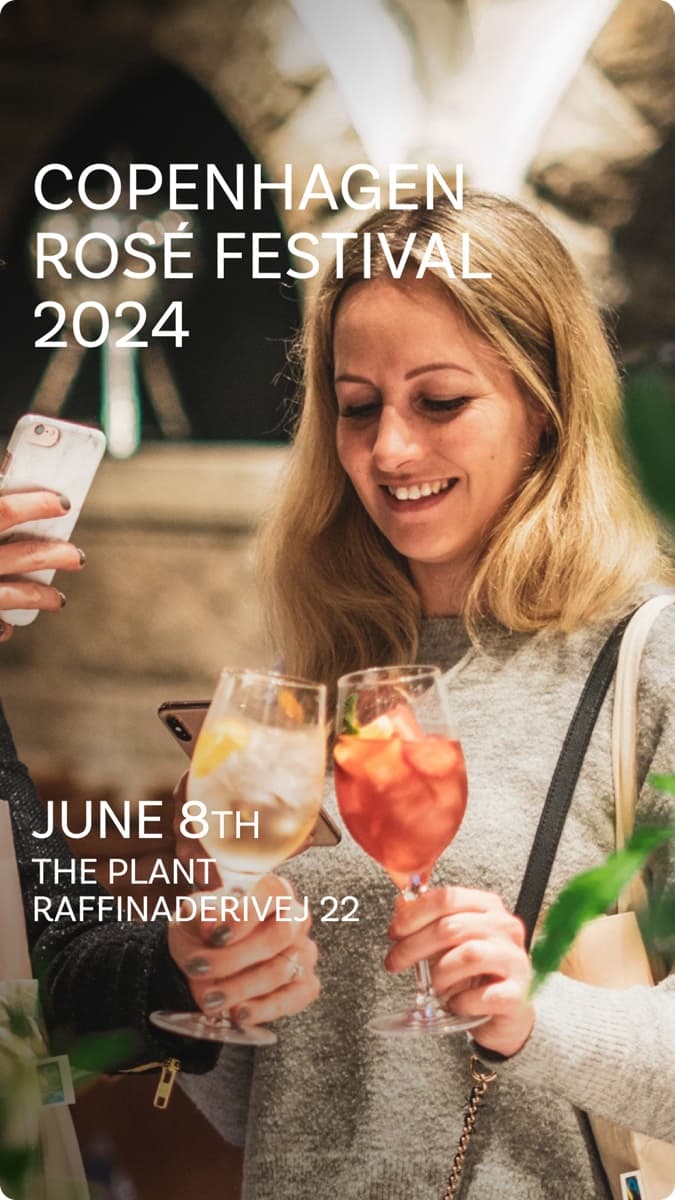

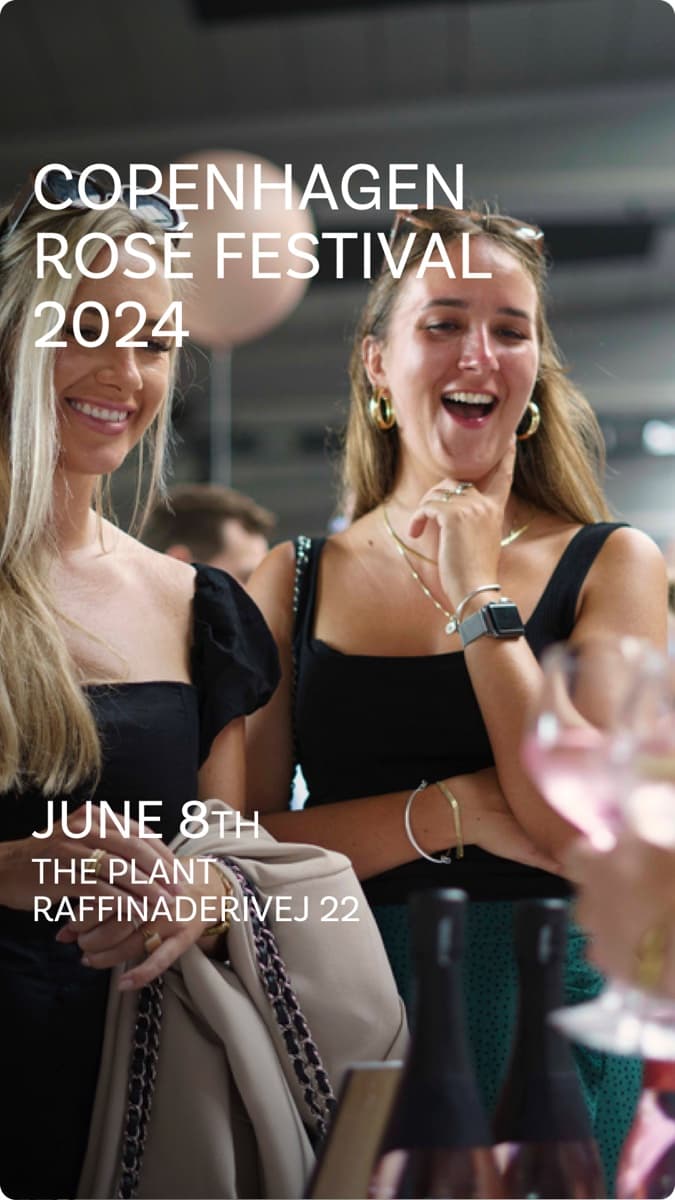
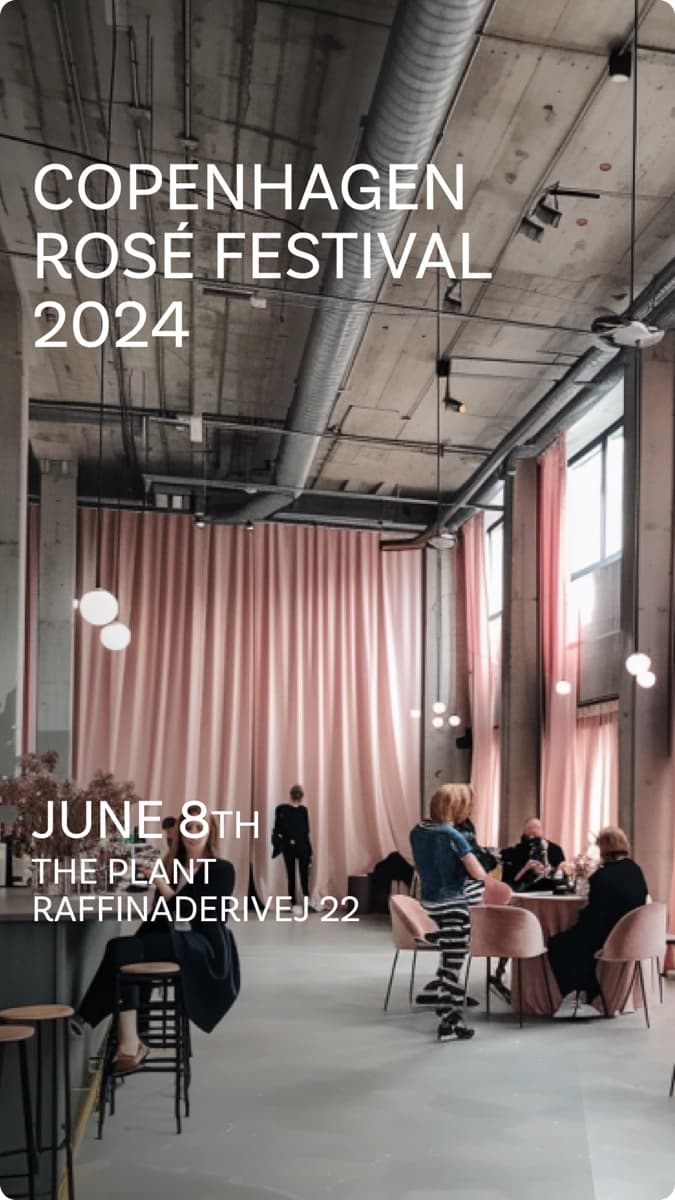
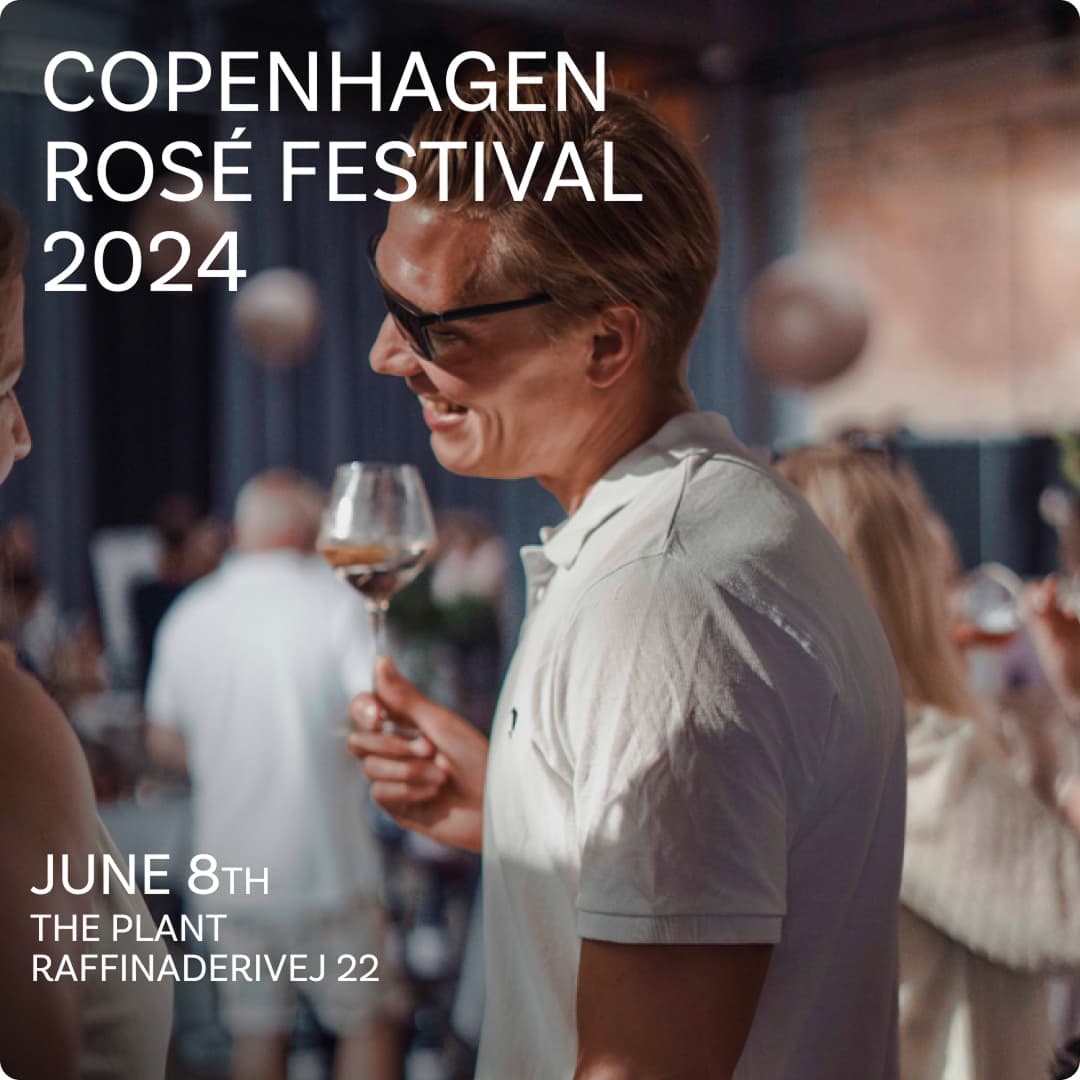
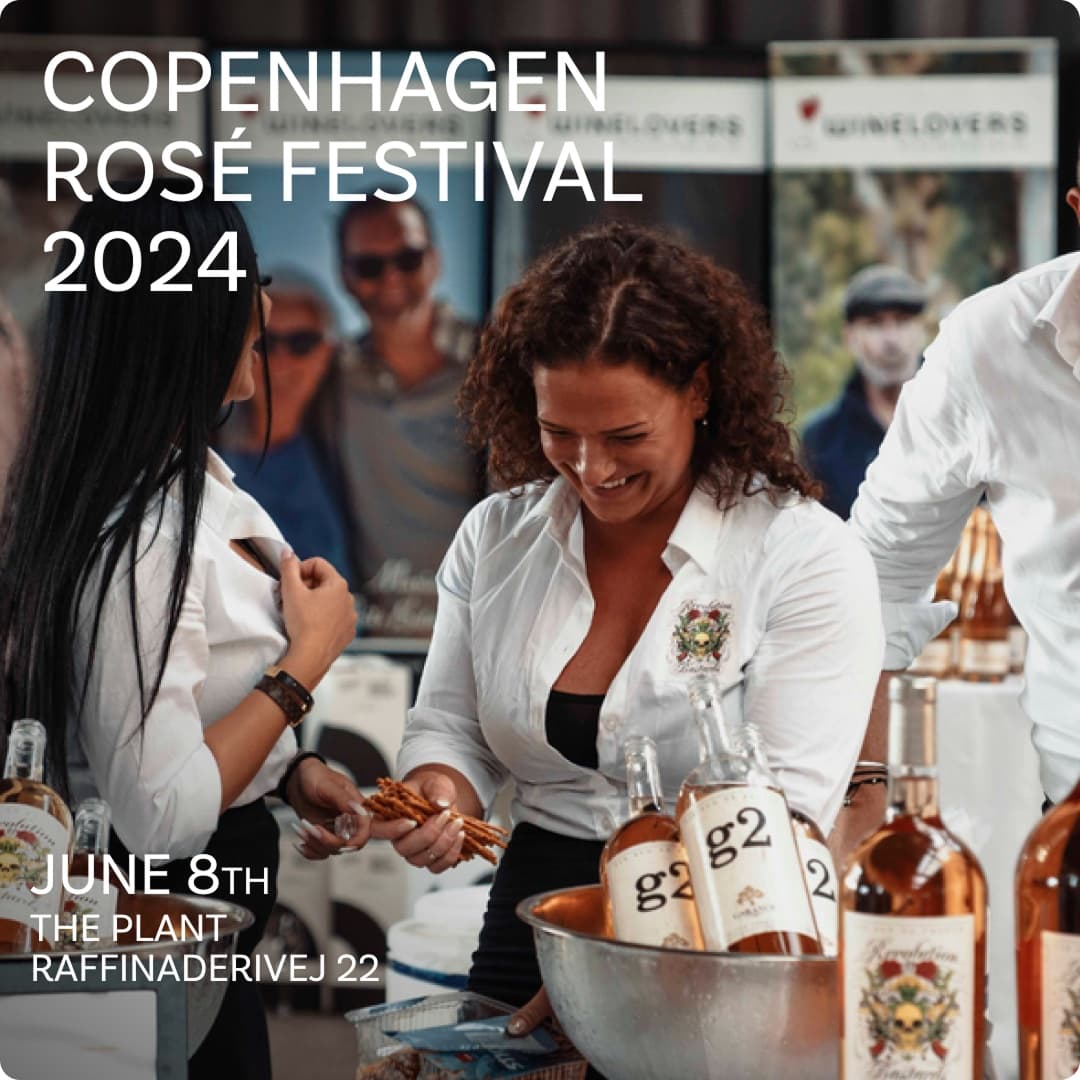
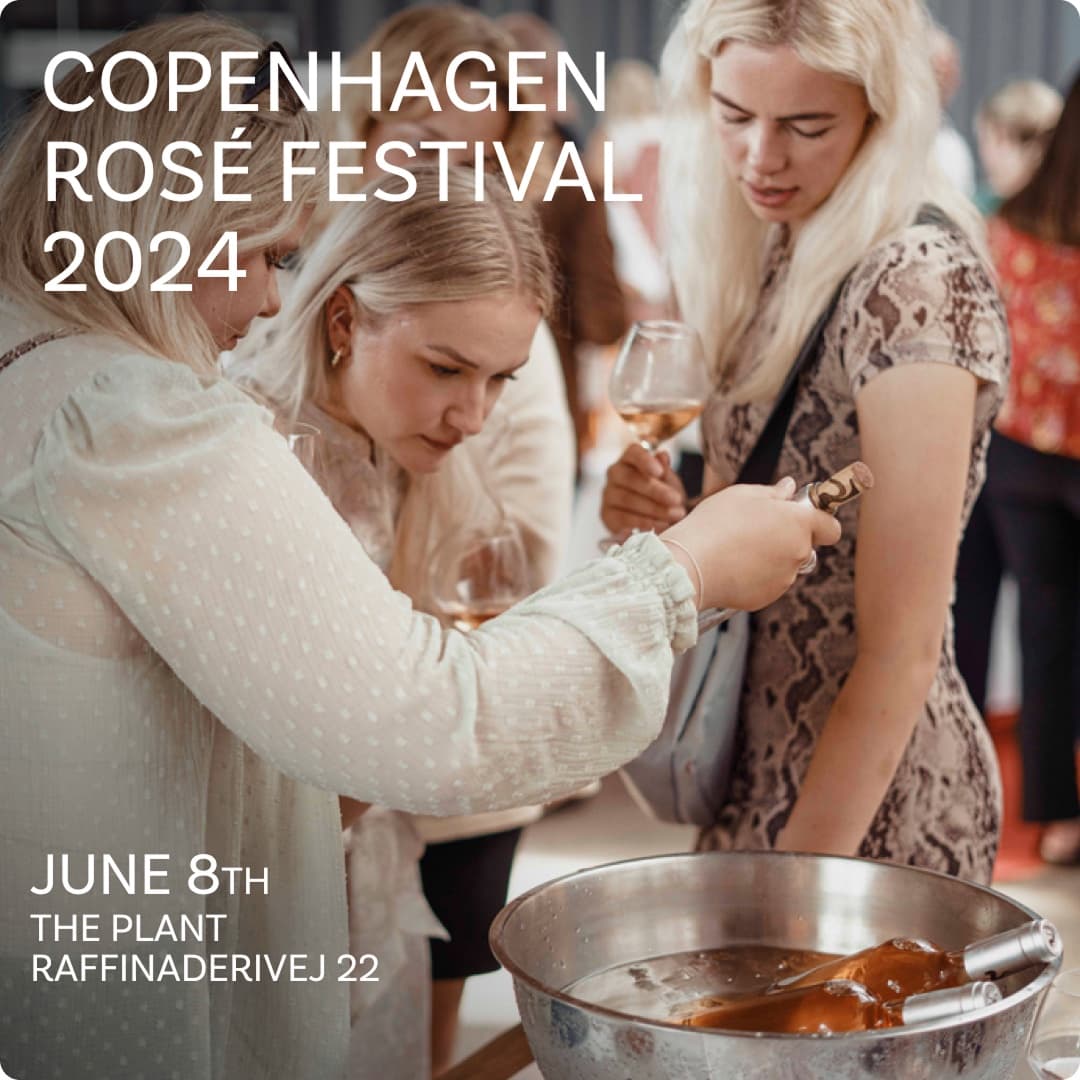
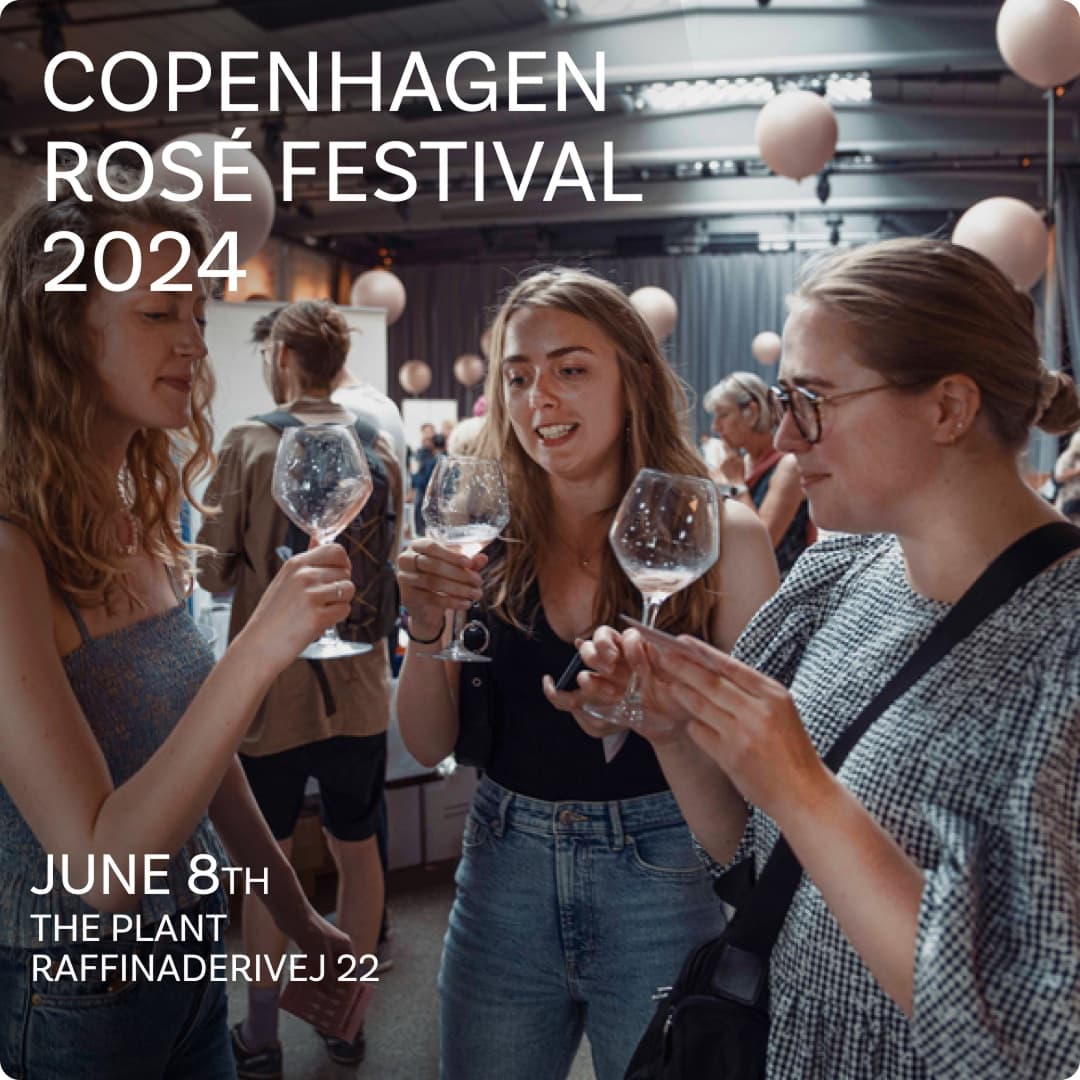
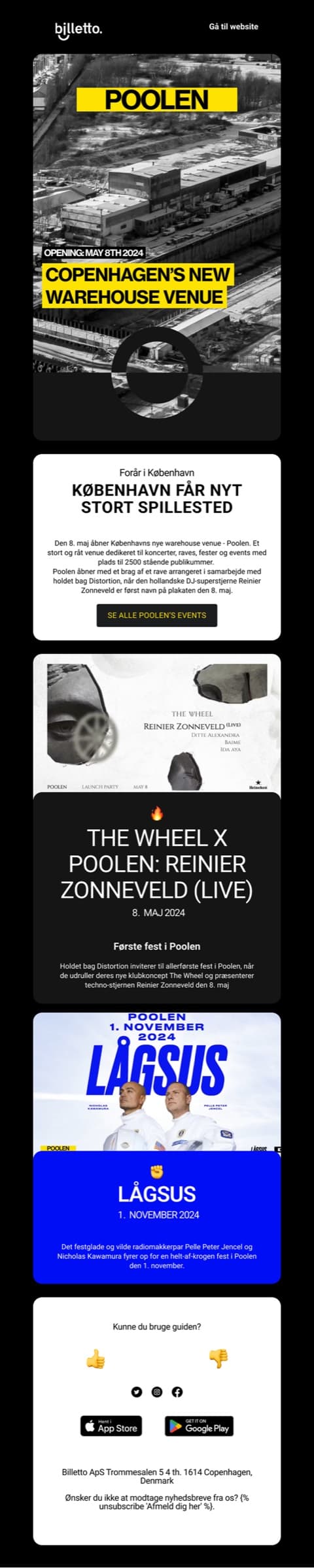
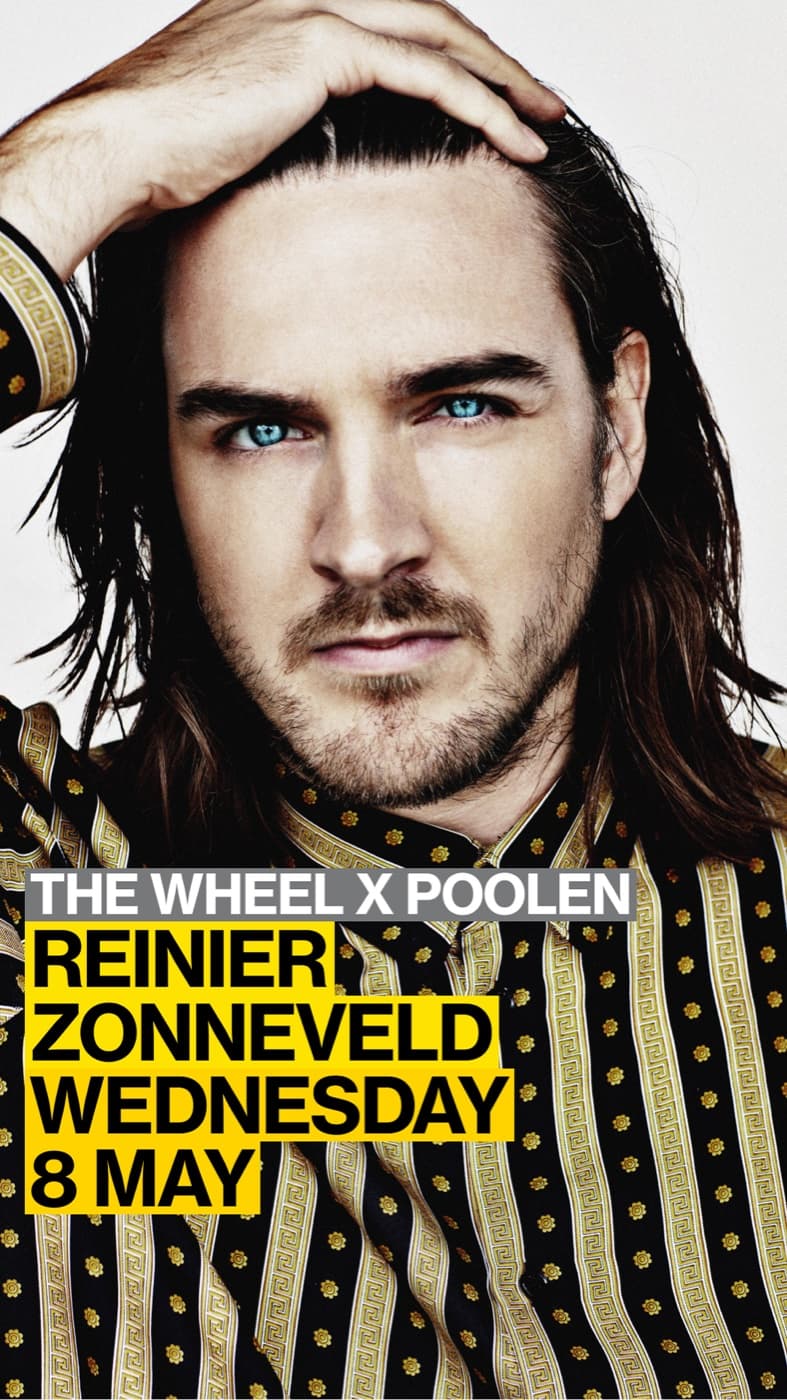
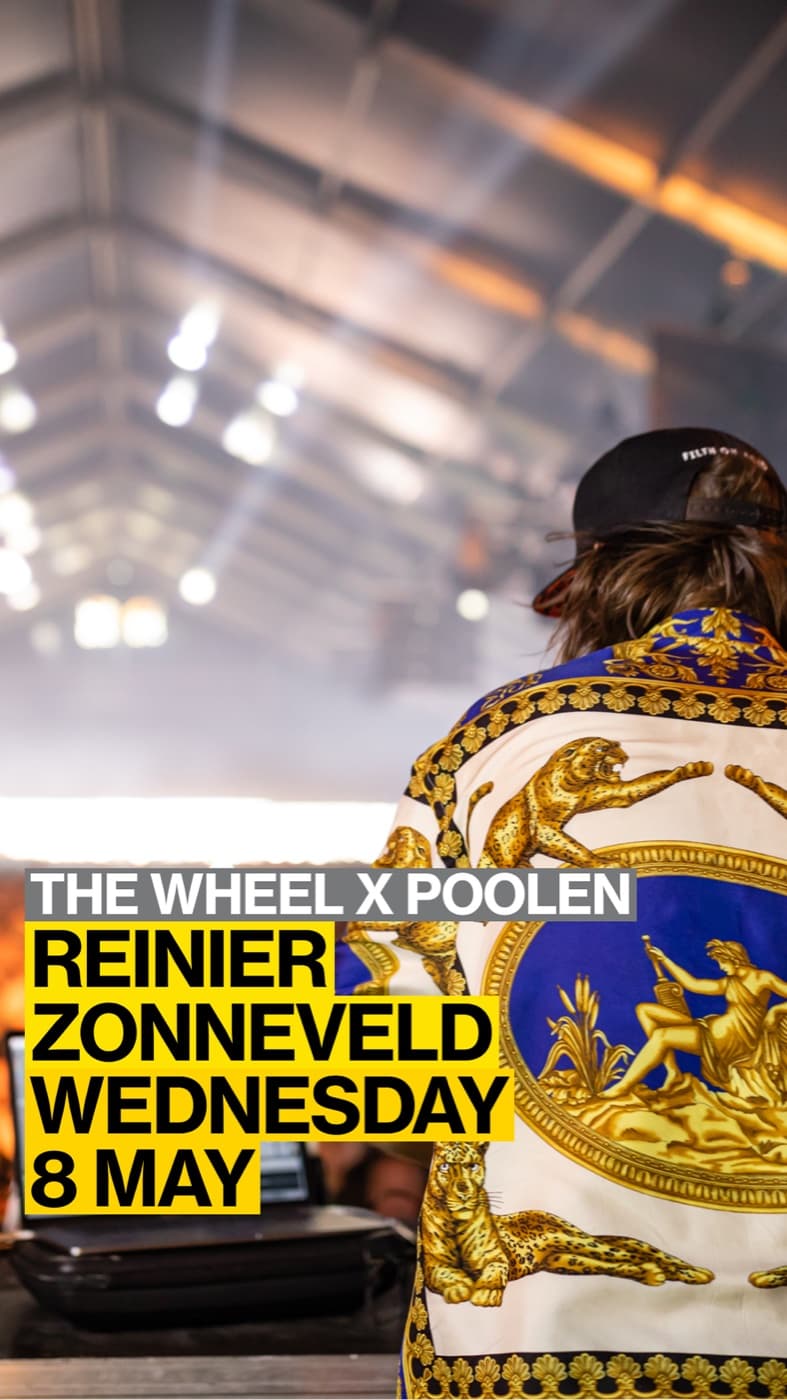
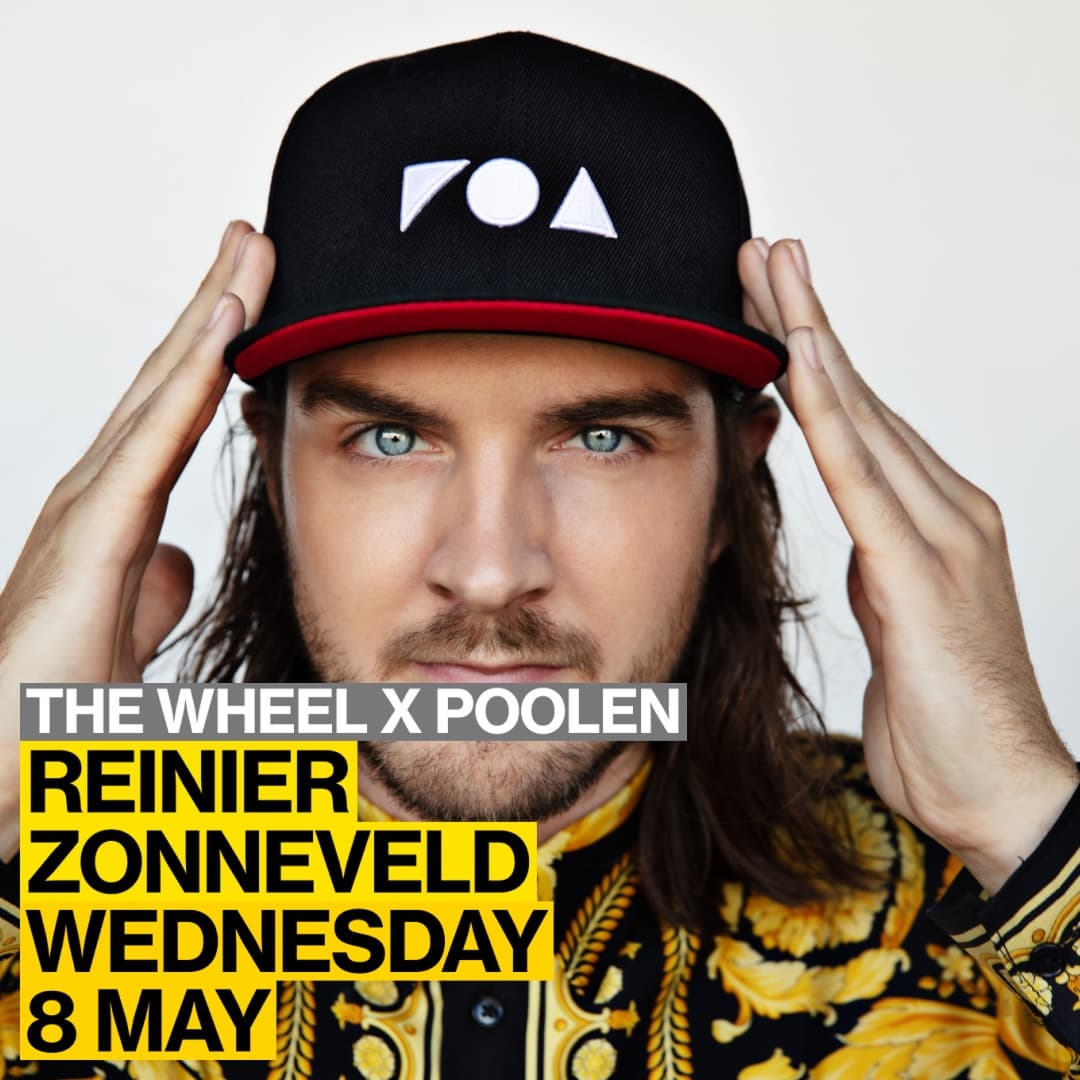
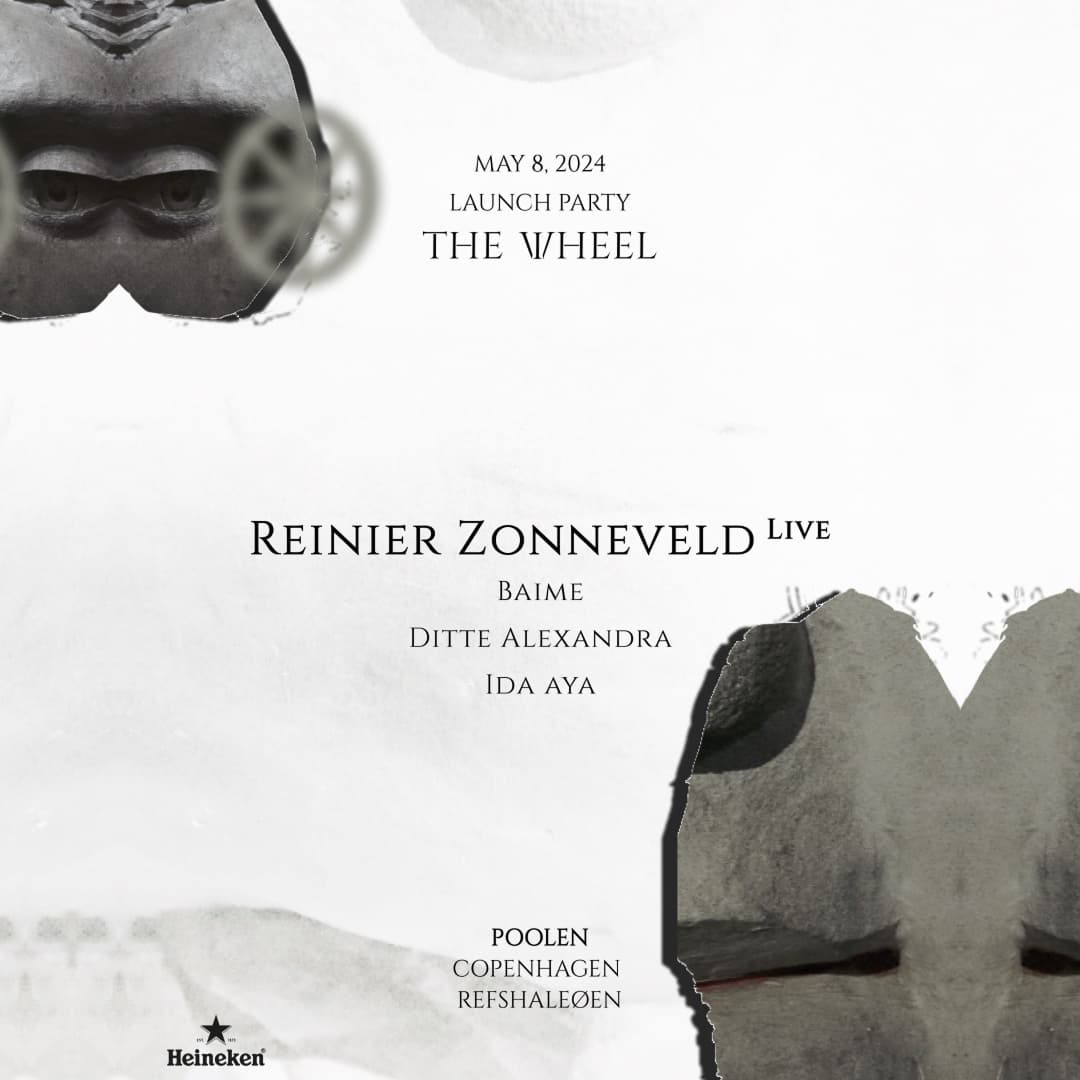



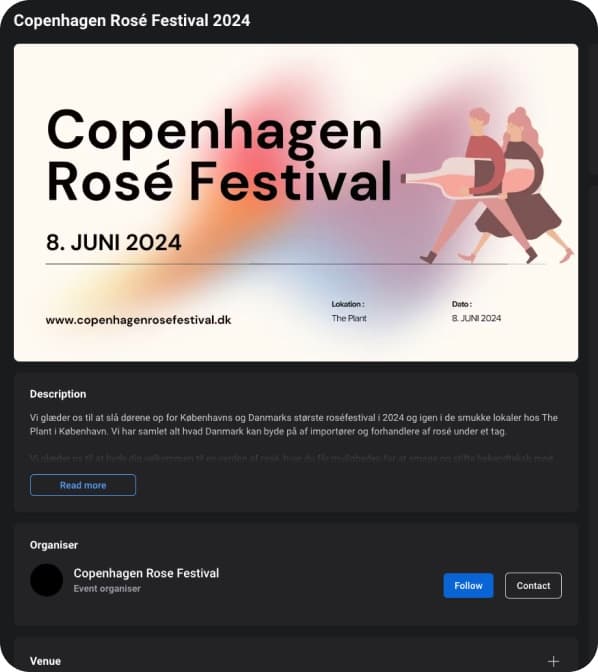
Email campaign (excerpt), paid social formats (9:16 and 1:1) and web banners from the same creative concept.
05Strategy & leadershipFrom channel activities to a unified B2C marketing function.
The Head of B2C Marketing role was broader than CRM and campaign production. My responsibilities included:
- Lifecycle
- Customer experience
- CRM
- Performance marketing
- Marketing operations
- Marketing budget
- KPIs
- Prioritisation of B2C marketing
Among other things, it required translating marketing needs into requirements that other functions could act on. When new data was needed, I defined the marketing need and scoped the integration, while Development handled the technical implementation. When revenue forecasts fed into campaign prioritisation, Finance owned the forecast, while I made the signal operational in the marketing decision.
I also led the work with a graphic designer, interns and external agencies.
My role was strategic, operational and cross-functional: prioritising the effort, building the structure around it and making sure it could be turned into concrete marketing.
06Creative & AIAn international setup required a more scalable creative system.
I also worked on the creative and communication side of Billetto:
- Redesign of campaign emails
- Redesign of automated emails
- Campaign concepts
- Paid social creative
- Landing pages
- Copy for ads and newsletters
- Brand and ad content
Part of the work was creating a more flexible visual system in which campaigns and automated communication could work across events, markets and customer needs. The email design had to support event discovery, hierarchy, mobile formats and more dynamic, relevant content.
AI-assisted production: AI as a production tool, not a strategyBilletto’s large and fast-changing event catalogue created a continuous need for new ad content. Ad visuals could be created from scratch in Midjourney and then refined and finished in Figma, where logo, typography, copy and composition were added.
- Produce more relevant creative variations
- Respond faster to new events
- Reduce dependence on existing imagery
- Keep control of the final brand expression
AI was a tool in the production process, not a replacement for campaign strategy, creative direction or the final judgement of what should be published.
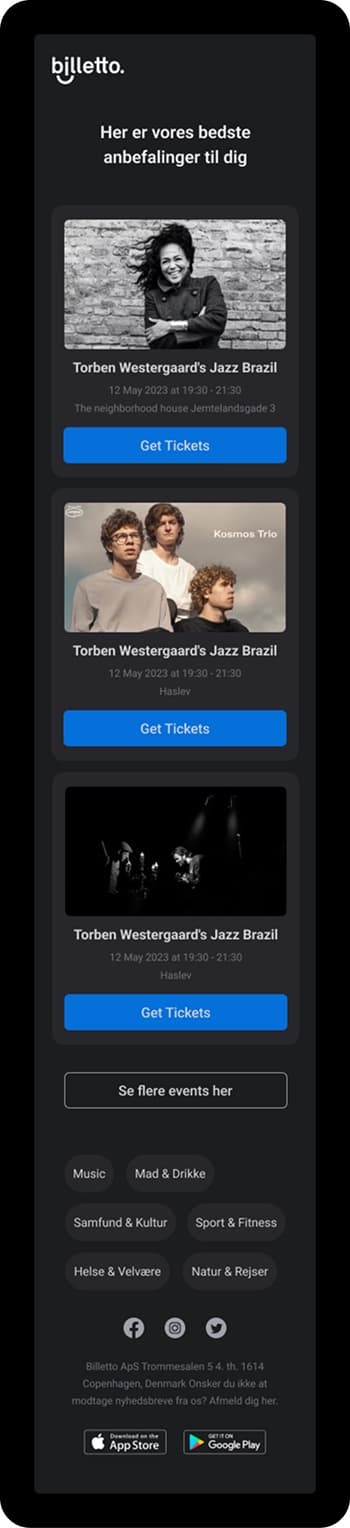

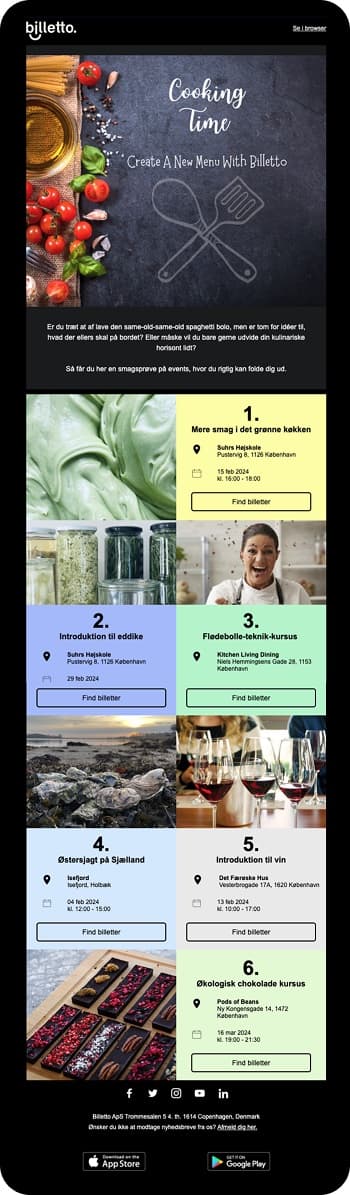

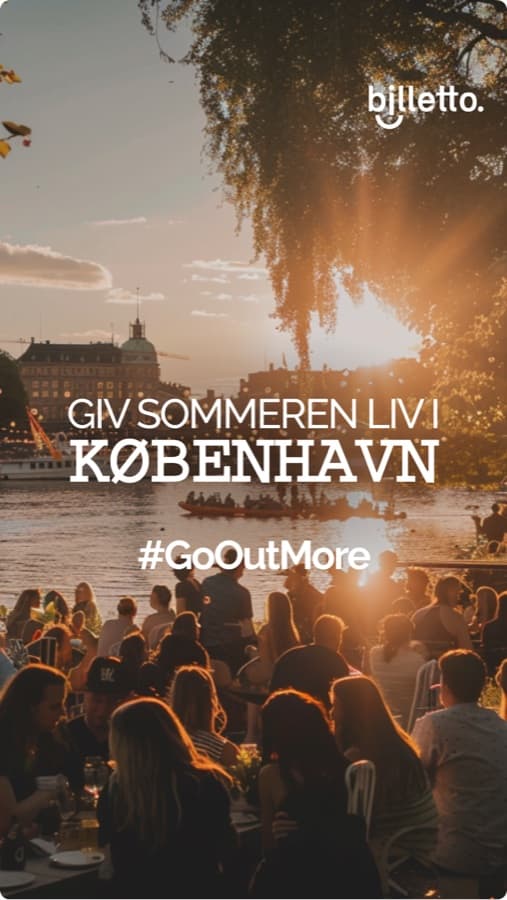
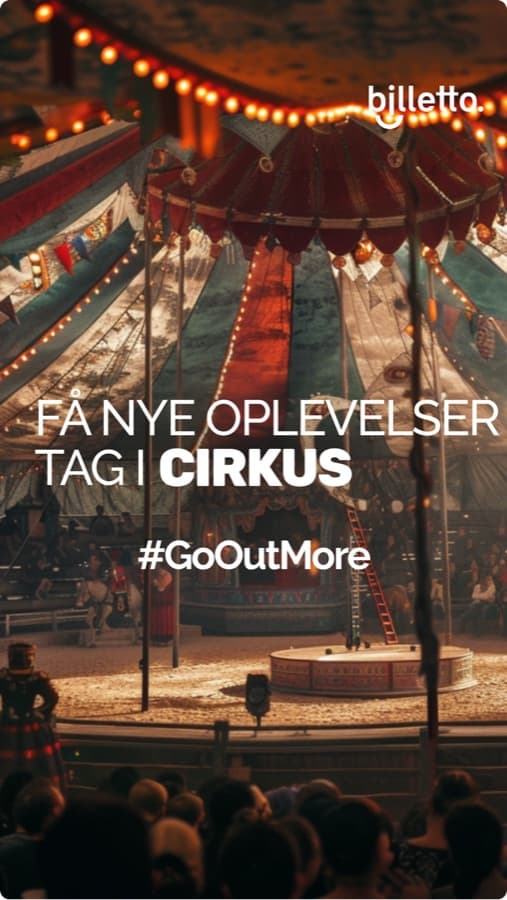
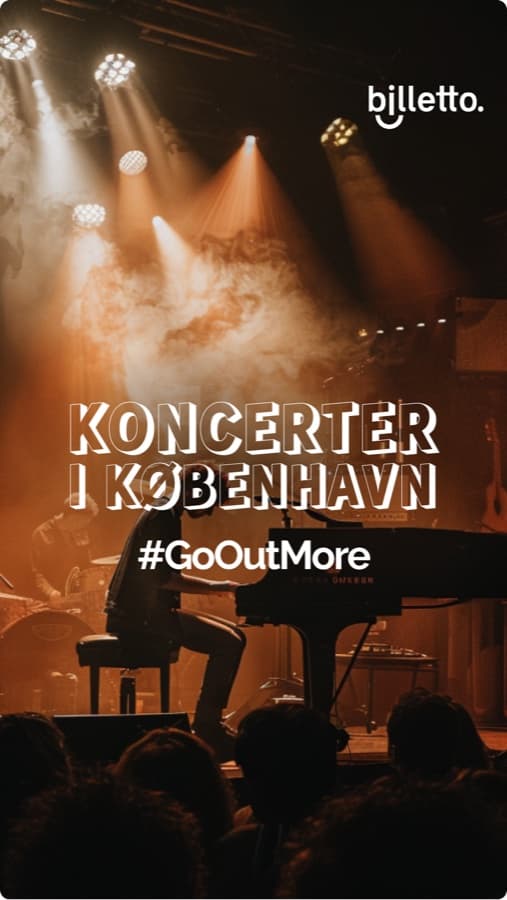
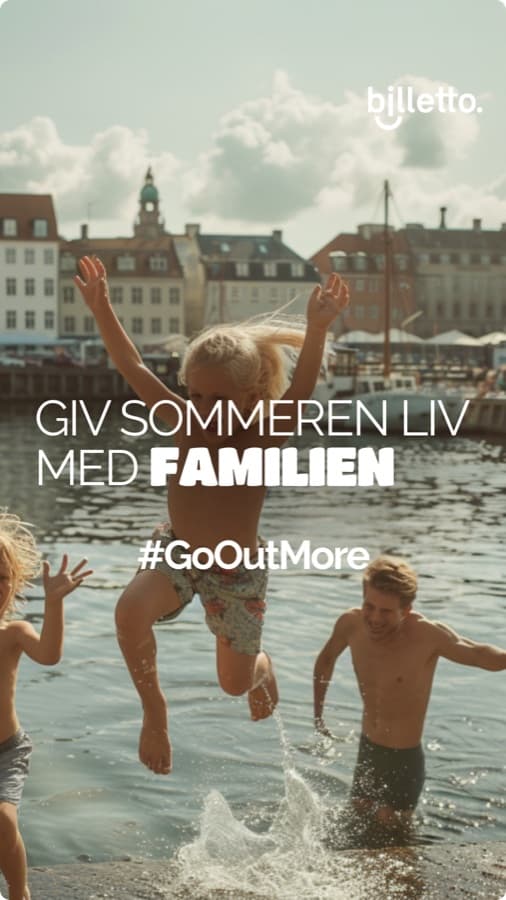
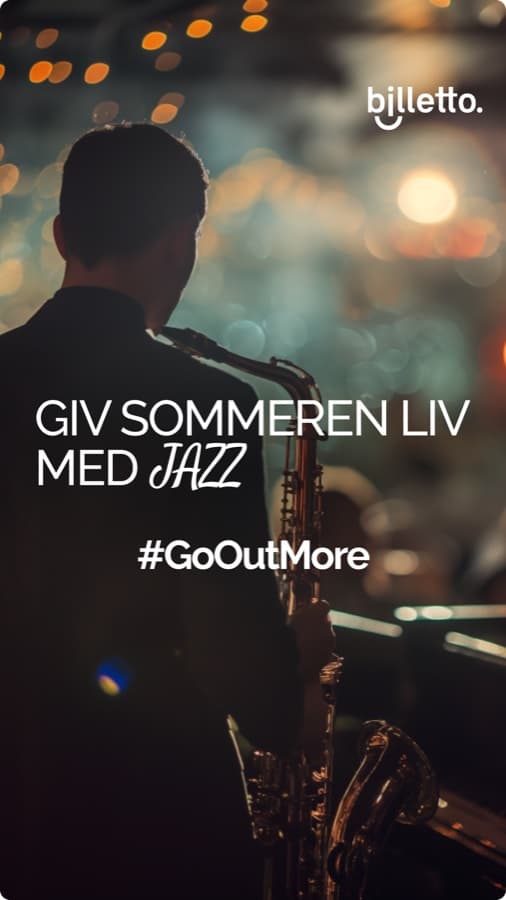
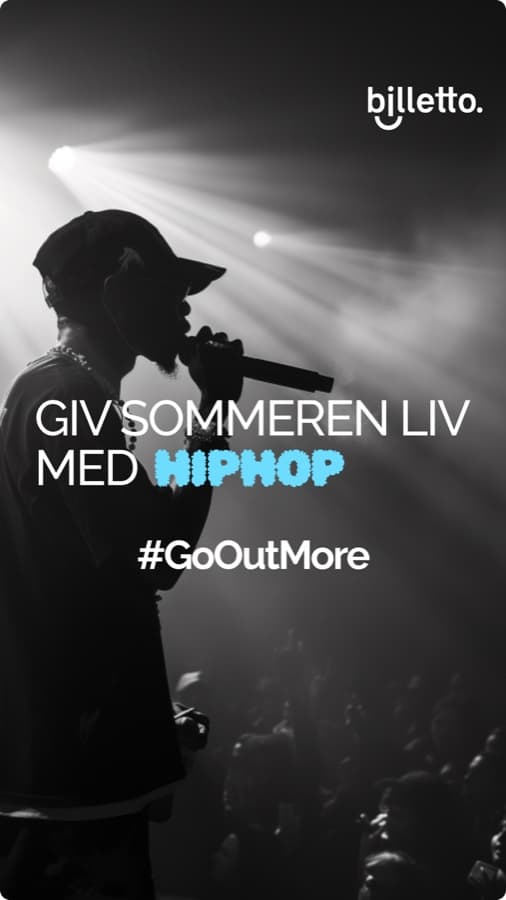
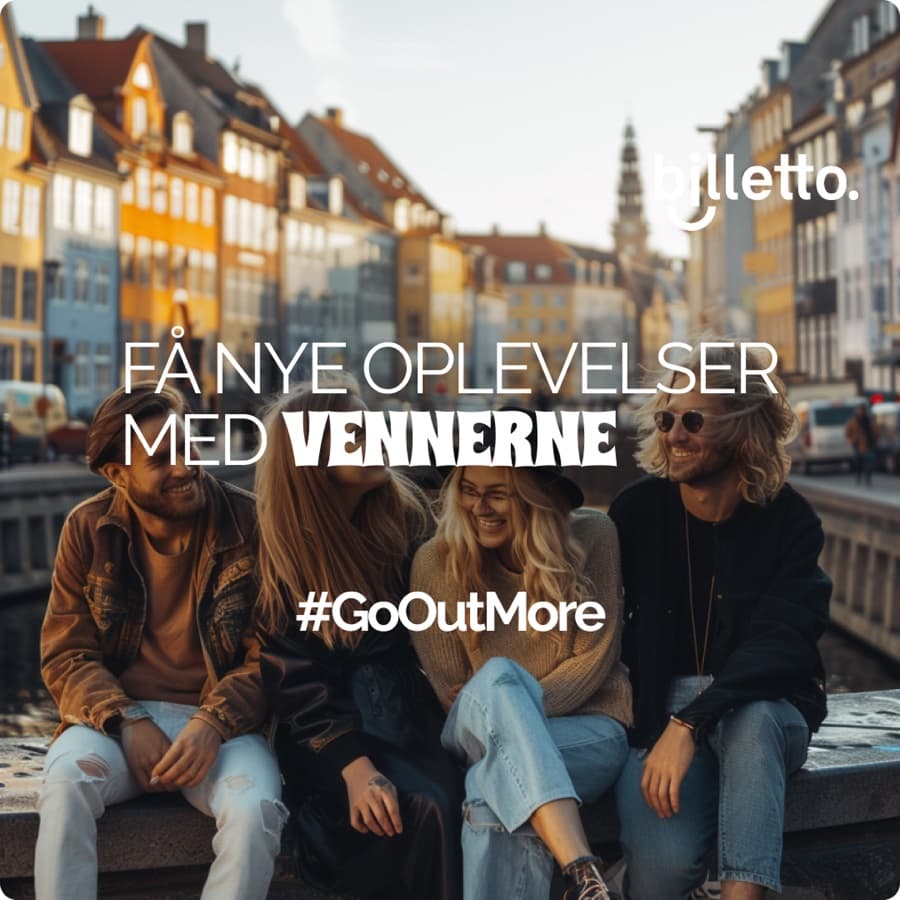
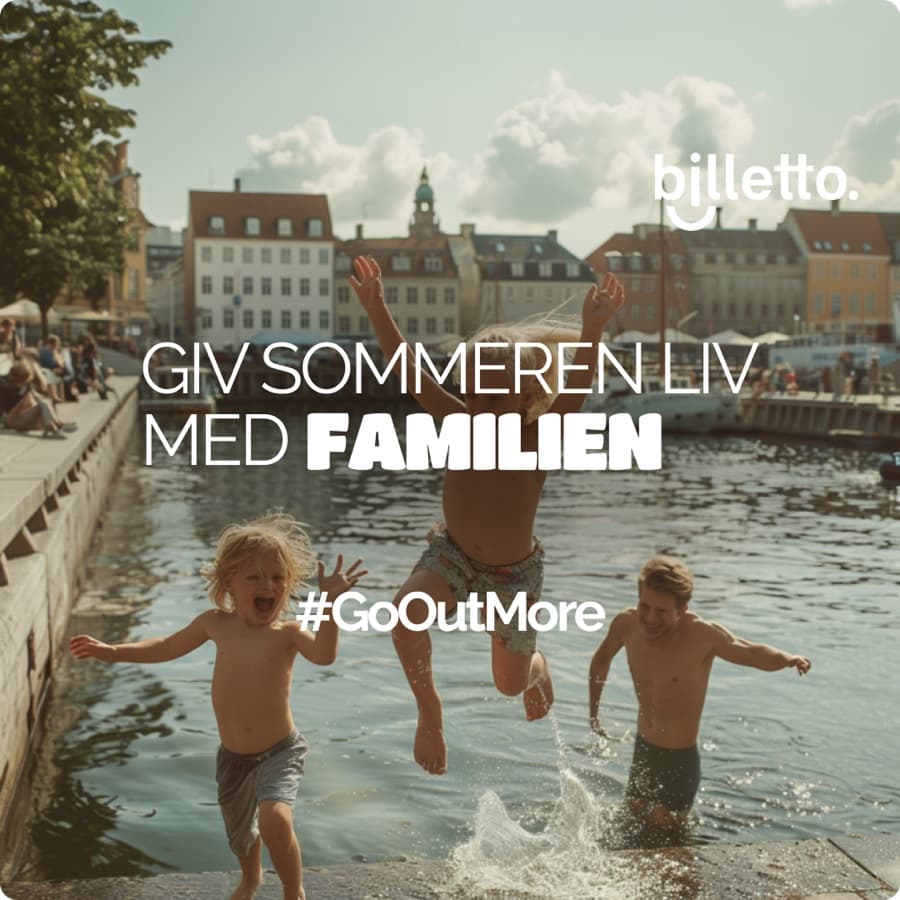
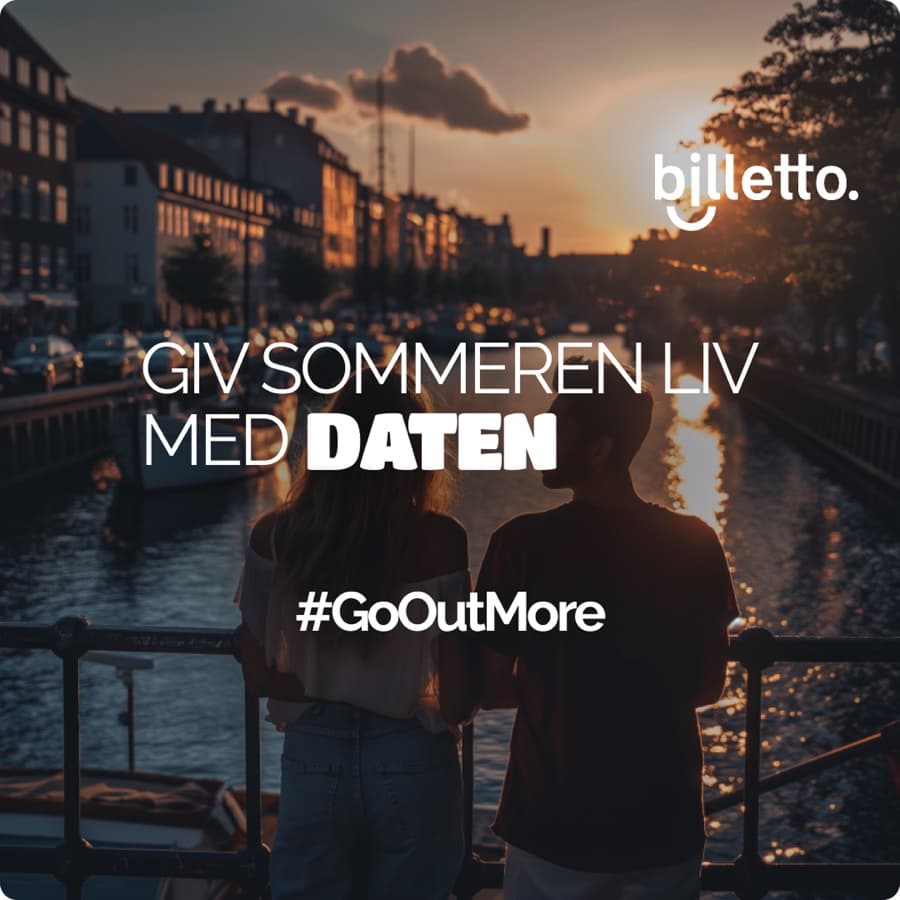
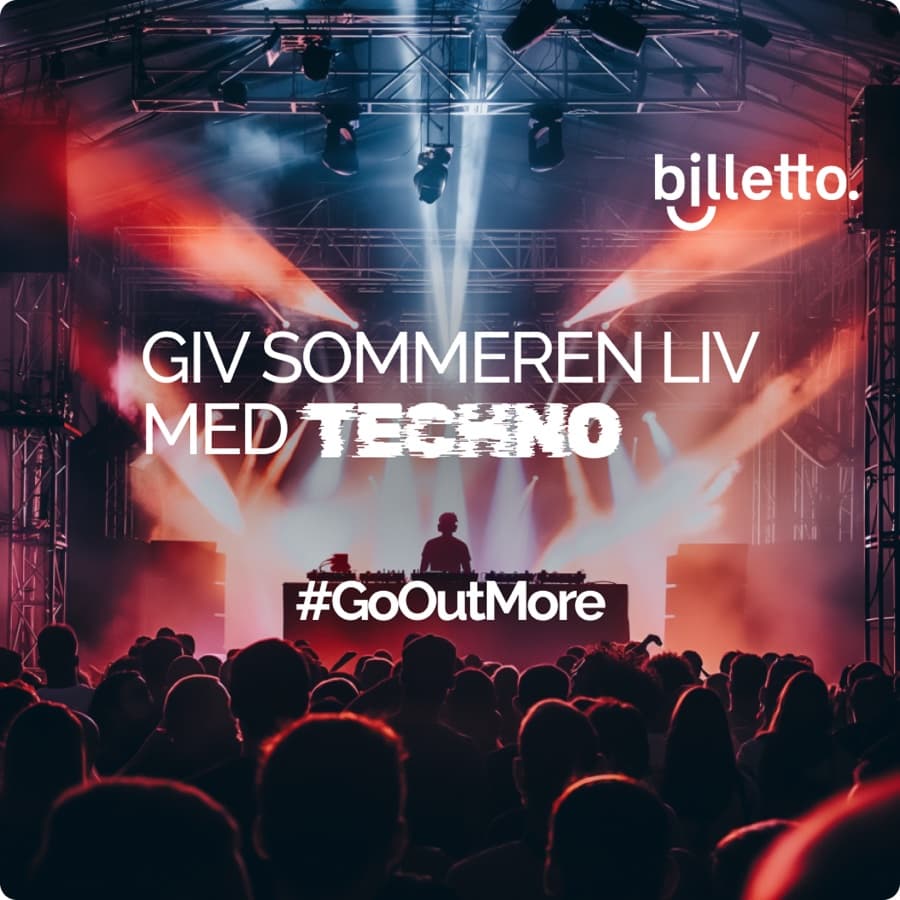
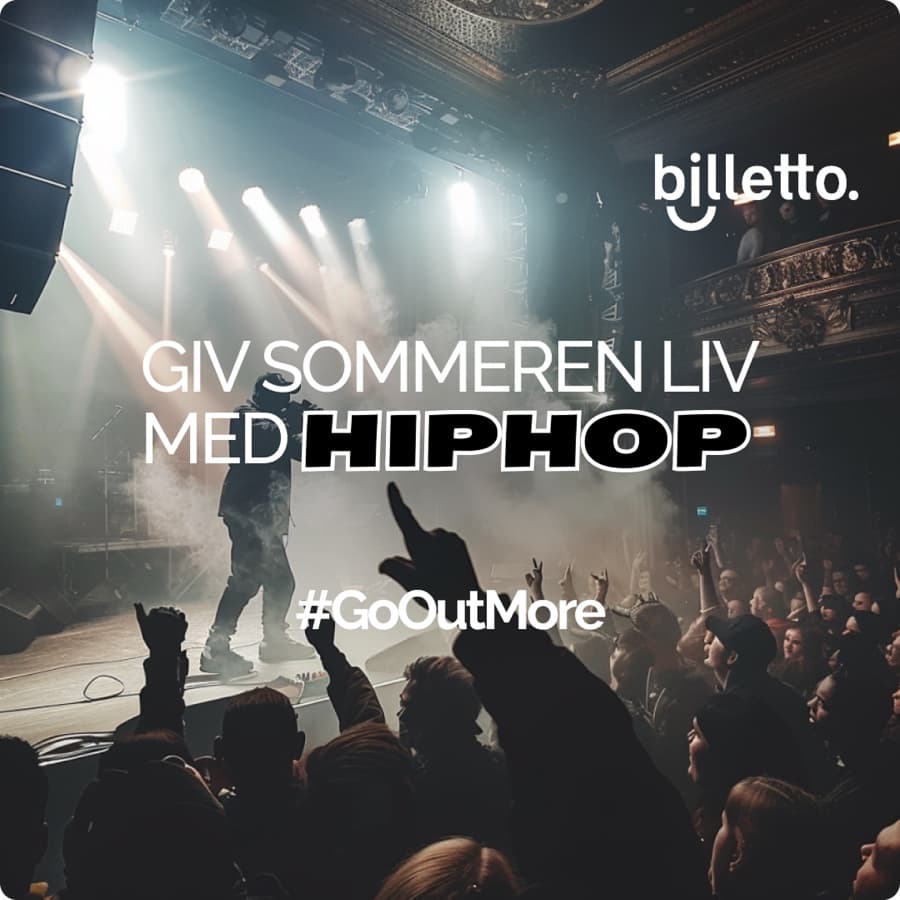
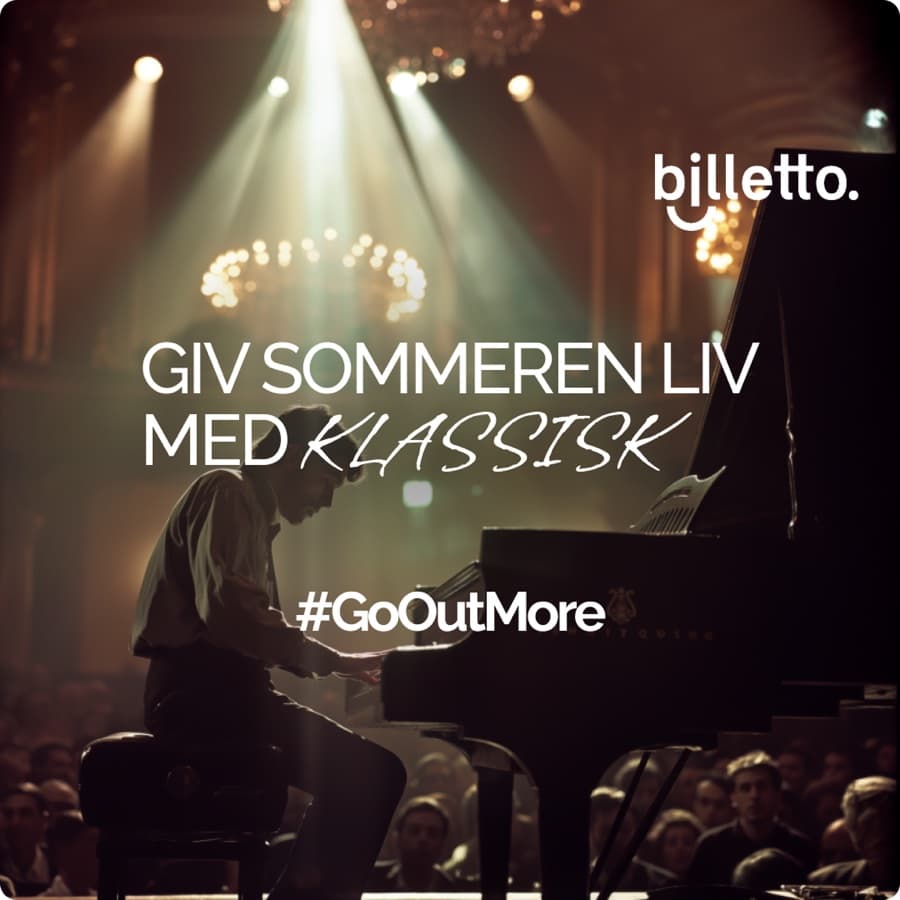
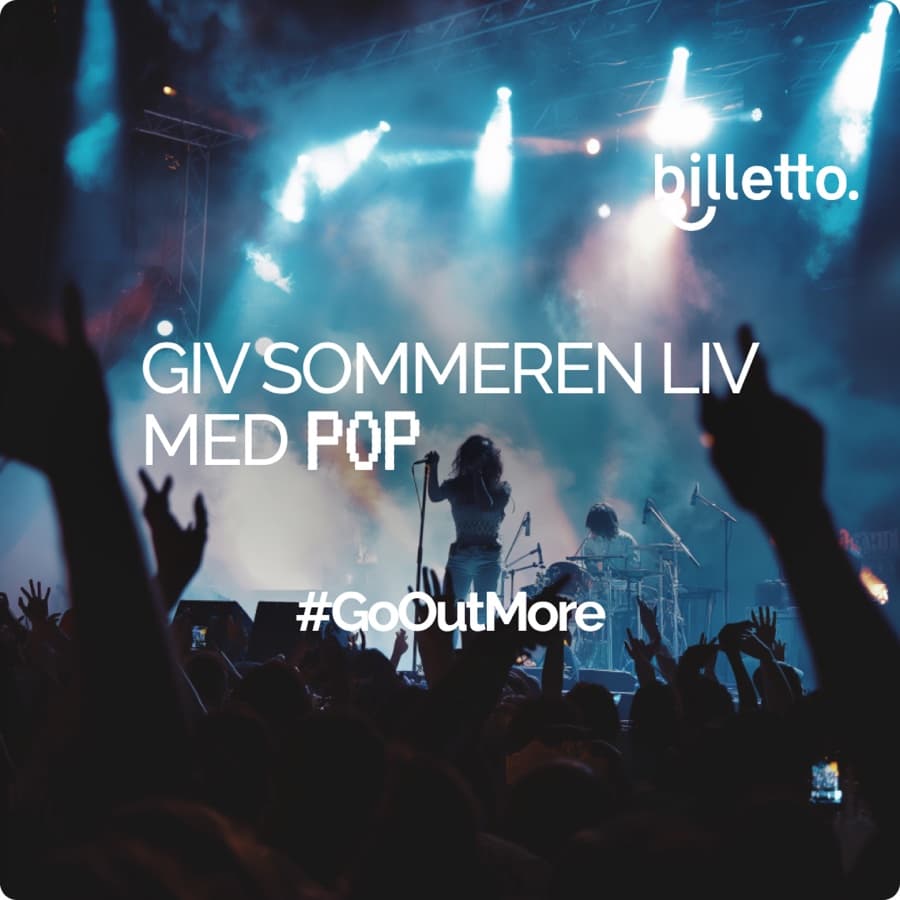
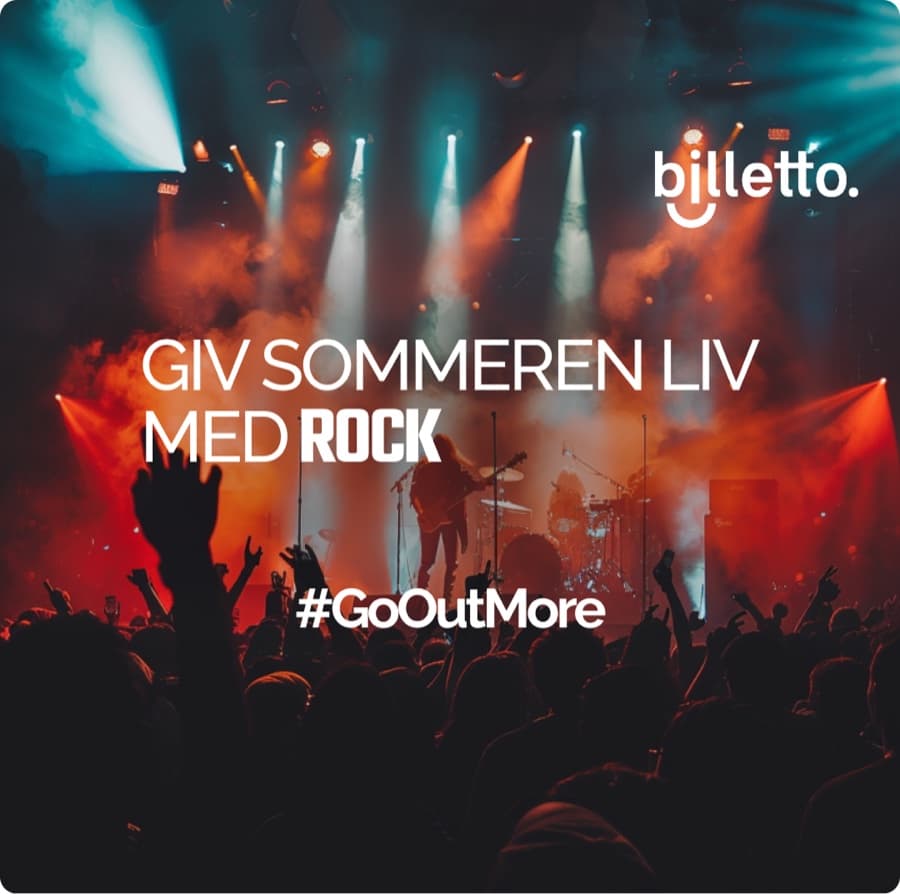
The same ad layout with changing genre and motif in Reels and feed formats. A selection of the full set of variants.
A more structured and relevant marketing setup
The work combined lifecycle, data, marketing operations, campaigns and creative in an organisation with more than one million CRM recipients across 14 markets. In CRM and email, more than 150 automations were rebuilt and 392 lifecycle instances mapped.
Above all, the case is an example of how I work when marketing has to function across the customer journey, data, systems, organisation and hands-on execution.
“I have had the pleasure of working with Andreas at Billetto. Andreas is a skilled digital marketer with an incredibly high professional standard.
With Andreas, you get someone who always knows the latest trends and has a strong understanding of what is happening in the market. Andreas is very commercially minded and performance-oriented.”





Looking for someone with this mix of CRM, growth and marketing experience? Let’s talk.
Senior roles · Interim · Selected projects